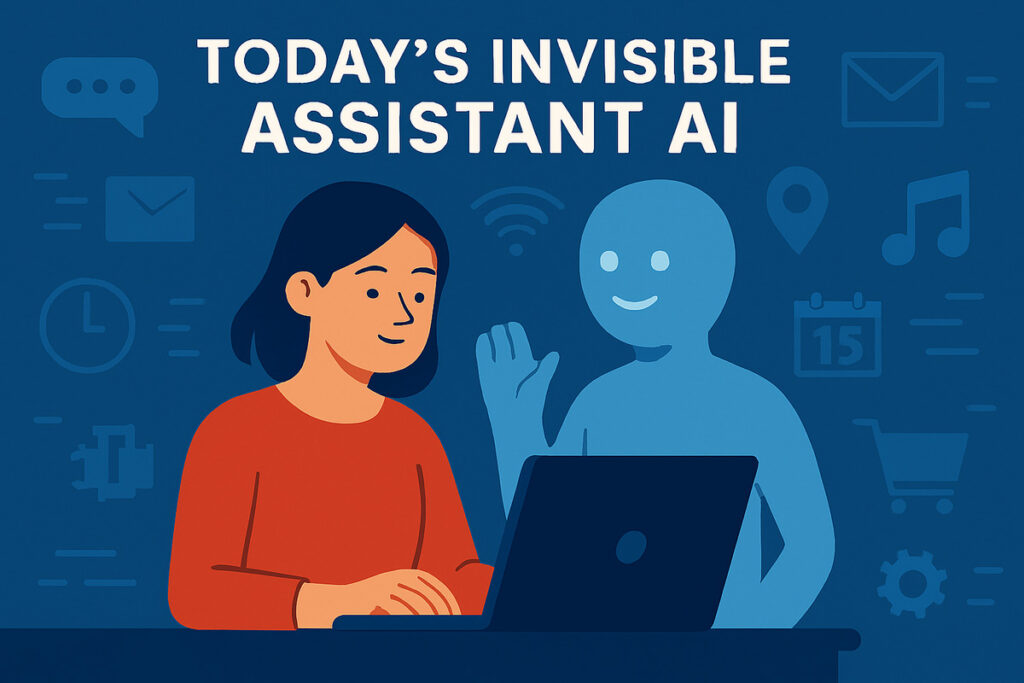

Nowadays, artificial intelligence (AI) technologies have moved beyond being a concept that exists only in laboratories or science fiction movies and have started to touch every aspect of our lives. From our smartphones to home automation systems, from online shopping to health tracking, AI now exists in our daily lives like an invisible assistant. So, how does the rapid integration of AI shape our lives, and what might it change in the future? In this article, we will explore the roles of AI in our everyday lives. Let’s take a closer look together. For more articles, insights, and similar content, you can explore everything we offer at ootb.pro Be sure to visit the site to stay updated with the latest trends, tips, and in-depth guides.
Smart Homes and Daily Comfort
The smart devices in our homes are one of the most direct effects of AI on our daily lives. Smart thermostats optimize energy consumption, while smart refrigerators can track our food stocks and automatically order items that run out. Lights and security systems learn users’ habits, providing energy savings and enhanced safety. This technology not only increases comfort but also supports sustainable lifestyles.
Personal Assistants: The New Masters of Time
Personal AI assistants like Siri, Alexa, and Google Assistant speed up our access to information while also making daily planning easier. Tasks such as reminders, email management, and scheduling appointments can now be completed with just a few voice commands. Here, AI is not only a tool that performs tasks but also takes on the role of a consultant, learning user habits and providing suggestions.
Health and Wellness: Smarter Tracking
AI is also transforming our daily lives in the field of health. Smartwatches and fitness apps analyze data such as heart rate, sleep patterns, and physical activity to provide personalized recommendations. In more advanced applications, AI can predict diseases and enable early diagnoses. This not only helps individuals maintain their health but also increases the efficiency of healthcare systems.
Education: Learning Processes
The use of AI in education has begun to personalize students’ learning experiences. AI-supported platforms analyze students’ strengths and weaknesses and provide them with tailored content. This not only lightens the teachers’ workload but also makes the students’ learning processes more effective and efficient. For example, a language learning app can identify the words a user struggles with and suggest specific exercises. Additionally, it helps reinforce learning by creating open-ended or multiple-choice tests.
Productivity and Creativity in the Workplace
In office life, AI plays a major role in automating routine tasks and analyzing data. Tools that generate meeting summaries, software that speeds up email responses, and data visualization tools all accelerate business processes. However, the impact of AI is not limited to productivity; it also supports creative processes. For instance, designers and content creators can leverage AI to develop ideas and produce alternative solutions. With AI, it has even become possible to turn the images in our minds into reality.
Shopping and Entertainment: Personalized Experiences
Online shopping sites and media platforms provide personalized recommendations to users through AI. Algorithms that analyze your preferences prepare product and content lists specifically for you. This not only improves the user experience but also increases sales potential for businesses. Similarly, music and video platforms learn your tastes through AI and offer new content for you to discover. In skincare, if desired, AI can recommend products according to your skin type and even analyze their ingredients to give advice on whether they are suitable for your skin.
Ethical and Privacy Concerns
Another question on everyone’s mind is: Can AI really be trusted? The deep integration of AI into our lives brings with it some ethical and privacy questions. Data security, user privacy, and algorithmic fairness are important issues that need attention. For example, how our personal data is used and for what purposes requires users to make informed choices. As AI develops, addressing these issues transparently is critical for ensuring the sustainable use of the technology.
Looking to the Future
The future promises a world where AI is even more deeply integrated. It will not only make tasks easier but will also impact a wide range of areas, from social interactions to transportation systems, from energy management to environmental sustainability. However, for this transformation to succeed, it is necessary to use the technology consciously, consider ethical standards, and adopt human-centered approaches.
AI has become an invisible yet powerful part of our daily lives. It increases our comfort, boosts productivity, and supports our decision making processes. However, this power also carries risks if not combined with responsibility. In the future, individuals and societies that establish a more harmonious and ethical relationship with AI will be the ones to gain the greatest benefit from technology. The only important thing is to use AI for the right purposes.
Contributed by GuestPosts.biz